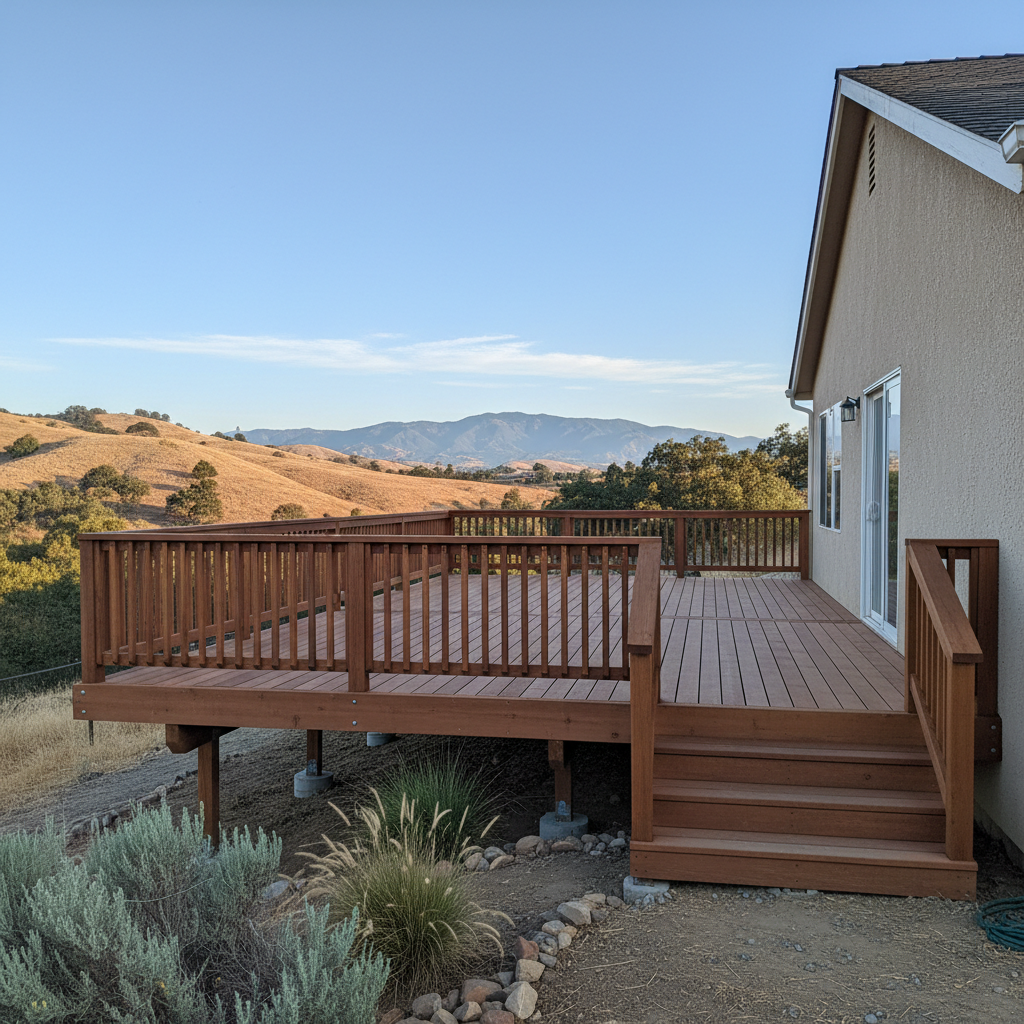
You're dreaming of that perfect wooden deck, right? A place to kick back, enjoy our beautiful Lake Elsinore sunsets, maybe host a barbecue. It's a great investment in your home and your lifestyle. But I've seen too many folks around here, from Canyon Hills to Rosetta Canyon, make some pretty avoidable mistakes when they're planning or hiring for a deck project. And trust me, those mistakes can cost you big time, in both money and headaches. So, let's talk about what to watch out for.
Mistake #1: Focusing Only on the Lowest Bid
This is probably the biggest red flag I see. Everyone wants a good deal, I get it. But when you're talking about something structural like a deck, the cheapest bid is rarely the best. Think about it: what corners are they cutting to get that price down? Are they using cheaper, less durable wood that won't stand up to our intense summer sun and occasional heavy rains? Are they skimping on fasteners or proper footings? A deck isn't just a pretty surface; it's got to be safe and built to last. I've been called in to fix plenty of decks where the homeowner went with the lowest bidder, and a few years later, they're dealing with rot, instability, or worse. Get multiple bids, absolutely, but compare them on value, materials, and reputation, not just the bottom line.
Mistake #2: Not Checking Contractor Credentials (Properly!)
Okay, so you asked for references. Good start. But did you actually call those references? Did you look up their contractor's license number on the CSLB website to make sure it's active, in good standing, and for the right classification (like a B-General Building or C-5 Carpentry)? Did you verify their insurance? I can't stress this enough. If a contractor isn't properly licensed and insured, you could be on the hook if someone gets hurt on your property or if the work is shoddy. It's not just about finding 'a guy'; it's about finding a legitimate, professional business. Champion Deck Solutions always makes sure our paperwork is in order, and any reputable contractor will do the same without hesitation.
Mistake #3: Ignoring Local Building Codes and Permits
This one's a silent killer. You might think,