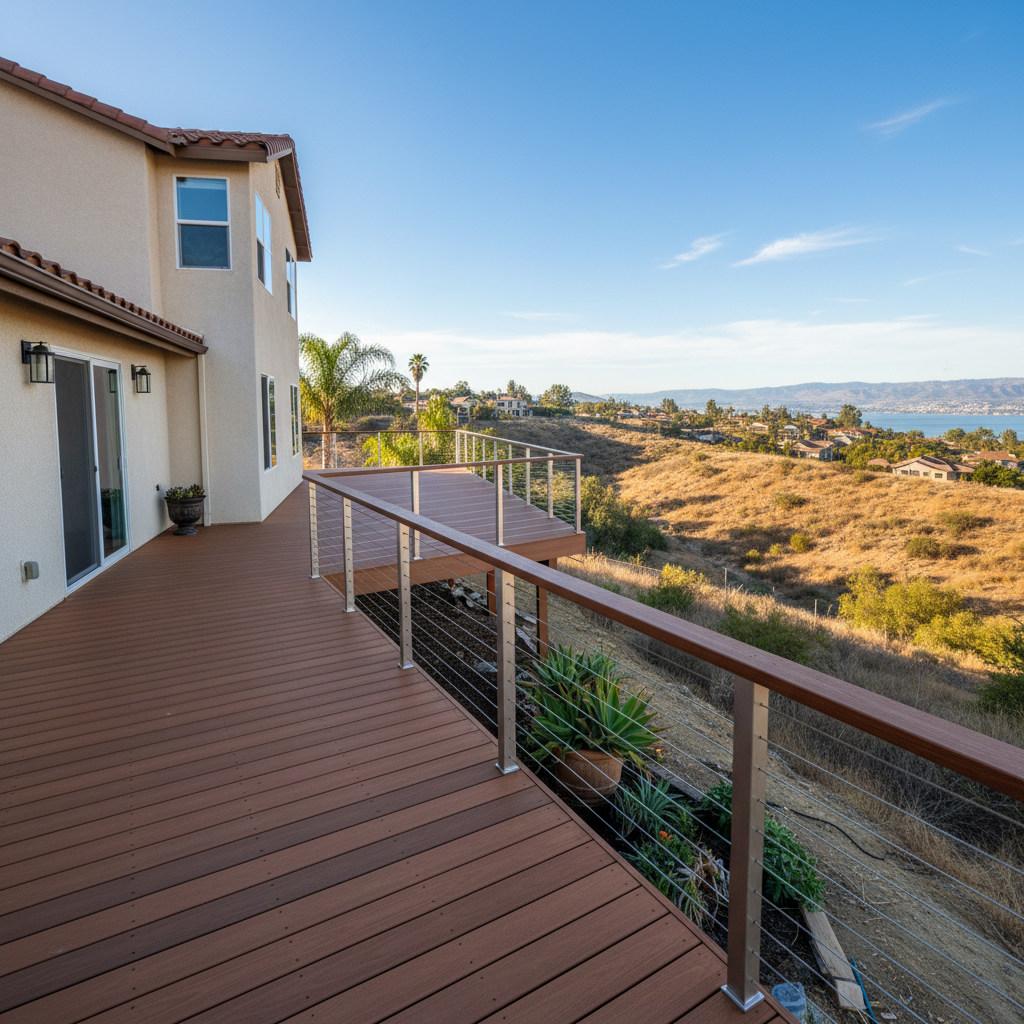
When's the best time to put in new deck railings around here? That's a question I get a lot, and it's a good one. You might think it doesn't matter as much as, say, pouring a concrete slab, but our Lake Elsinore weather has its own ideas about when construction goes smoothly and when it's a real headache. Trust me on this.
Scheduling Your Railing Project: Timing is Key
Look, you can install railings pretty much any time of year, but some seasons are definitely better than others. For us, the sweet spot is usually spring or fall. Why? It just makes sense.
Spring (March-May): The ground's usually dried out from any winter rains, and the temperatures are mild. We're not fighting the intense summer heat, and you're not trying to get things done before the holiday rush. It's a comfortable time for my crew to work, and for you to enjoy your new railings sooner, which is always a plus.
Fall (September-November): Similar to spring, the heat's backed off, and we're generally clear of the real heavy rain season that sometimes kicks in around December or January. The air is crisp, and it's a great time to get your outdoor space ready for cooler weather entertaining.
Summer's doable, but man, those July and August afternoons in Lake Elsinore can be brutal. We're talking 100+ degrees, sometimes for days on end. That kind of heat isn't just tough on the crew; it can affect materials too. Wood expands, metal gets scorching hot to handle, and some adhesives or finishes don't cure properly in extreme temperatures. Winter's usually fine too, but if we get one of those really wet years, like we've seen a few times recently, working in mud and constant drizzle isn't ideal for anyone.
Weather Conditions That Matter for Railing Installation
It's not just the season, it's the specific conditions on the day. Here's what we're always watching:
Rain: This is a big one. You can't really install railings efficiently, or safely, in a downpour. Drilling into wet wood, working with electrical tools, or trying to get a clean finish on anything when it's raining just doesn't work. Plus, if we're digging post holes, heavy rain turns everything into a muddy mess. We'll always reschedule if it's raining hard.
Extreme Heat: Like I said, 100-degree days are no joke. Not only is it a health risk for the crew, but it can make certain materials difficult to work with. Metal railings get too hot to touch, and some composite materials can get a bit more pliable than you'd want during installation. We'll often start earlier in the day or work shorter shifts to beat the worst of it.
Strong Winds: We get some pretty gusty winds around the lake sometimes, especially during Santa Ana conditions. Trying to install long sections of railing, especially if they're heavy or tall, when the wind is trying to rip them out of your hands is dangerous and makes for sloppy work. We'll hold off if it's too blustery.
Humidity: While not as big a deal here as on the coast, high humidity can sometimes affect how paints, stains, or sealants cure. It's usually not a show-stopper for us, but it's something to keep in mind if you're planning on finishing a wood railing right after installation.
Protecting Your Railing Investment Year-Round
Once those railings are up, you want them to last, right? Our Lake Elsinore climate, with its intense sun, occasional heavy rains, and temperature swings, can be tough on outdoor structures. Here's how to keep 'em looking good:
Clean Regularly: A simple wash with mild soap and water once or twice a year goes a long way. This gets rid of dust, pollen, and any grime that can build up. For metal railings, especially aluminum, this prevents corrosion and keeps the finish bright. For composite, it keeps it from looking dull.
Inspect for Damage: Walk around your deck railings every few months. Look for loose screws, wobbly posts, rust spots on metal, or any signs of wear on wood or composite. Catching small issues early prevents them from becoming big, expensive problems.
Wood Railings: If you've got wood, you know the drill. It needs protection. Depending on the type of wood and finish, you'll want to re-stain or seal it every 1-3 years. The intense UV rays here will fade and dry out wood fast if it's not protected. Don't skip this, or you'll be looking at rot and splinters in no time.
Metal Railings: Most modern metal railings, like aluminum or powder-coated steel, are pretty low maintenance. But check for scratches or chips in the finish. If you find any, touch them up with appropriate paint to prevent rust or corrosion from setting in. This is especially true for steel components.
Composite Railings: These are probably the lowest maintenance. A good cleaning is usually all they need. Just be careful with harsh chemicals or abrasive cleaners, as they can sometimes damage the surface finish.
Getting your deck railings installed at the right time, with the right conditions, makes a huge difference in the quality and longevity of the work. And once they're in, a little regular care from you will ensure they stand strong and look great for years. If you're ready to talk about your railing project, give us a shout at Champion Deck Solutions. We're here to help you get it done right.