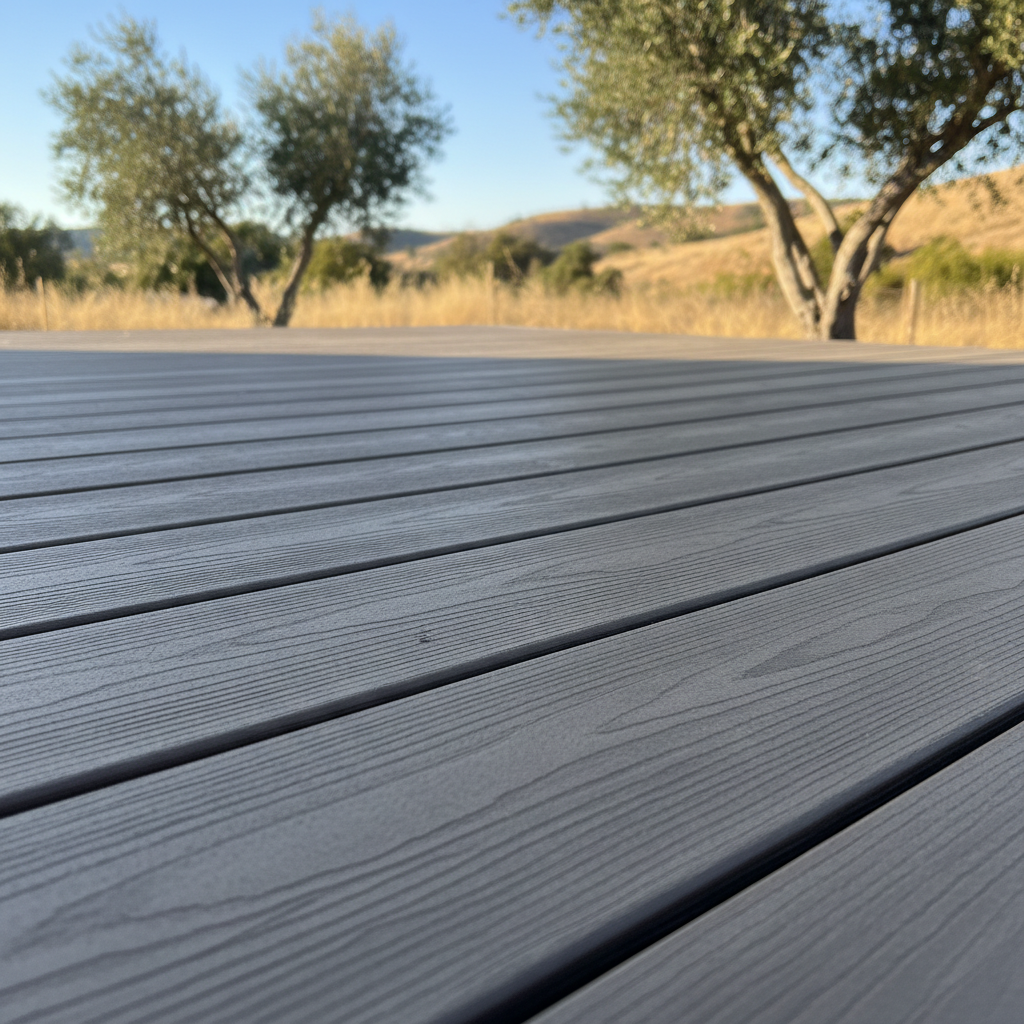
So, you're thinking about a composite deck for your place? Smart move, if you ask me. They're tough, they look great, and honestly, they're way less hassle than wood in the long run. Especially with that Lake Elsinore sun beating down, right? But before you dive in, let's chat about what you're really getting into. I've built plenty of these over the years, and I've seen folks try to bite off too much or, well, not enough. Here's my take on how to tackle a composite deck project, whether you're a weekend warrior or you simply want it done right.
Before You Even Buy a Board
Planning, my friend, is everything. Seriously. You wouldn't build a house without blueprints, would you? A deck's no different. First up, figure out exactly what you want. Think about the size, shape, height, steps, railings – get it all down on paper. Consider how you'll actually use the space. Is it for grilling out? Lounging with a book? Or maybe a big family gathering spot? That'll really shape the layout.
Next, permits. Do not skip this step. Lake Elsinore building codes exist for good reason, mostly for safety. You'll need to submit plans, and they'll want to see things like proper footings, how the ledger board attaches, and railing height. This isn't a DIY step; you need approved plans before you even think about digging. If you're hiring a pro like Champion Deck Solutions, we take care of all that permit stuff for you. If you're doing it yourself, be ready for some paperwork and maybe a few trips to the city planning department.
Then there's picking out your materials. Composite isn't just one thing, you know. You've got different brands, various core materials, and all sorts of capstock layers. Some are solid, some are hollow. Some look just like real wood grain, others are more uniform. Prices vary a lot, too. Do your homework. Grab some samples. See how they look in different light, how they feel underfoot. And think about maintenance – some cheaper composites might scratch easier or fade over time. You want something that'll truly stand up to our hot, dry summers and the occasional windstorm.
During the Build: DIY vs. Pro
Okay, plans are approved, materials are ordered. Now for the fun part. Or the headache, depending on your skill level.
What You Can Probably DIY
- Demolition: If you're replacing an old deck, tearing down the existing one is usually pretty straightforward. Just be careful with nails and double-check you're not cutting into any utilities.
- Basic Framing (with caution): If you're handy with a saw, a level, and a hammer, you might be able to build a simple, low-level frame. I'm talking a small, square deck, maybe a foot or two off the ground. You'll need to understand joist spacing, how to properly attach the ledger, and how to set footings. But even then, if you're not experienced, you can make mistakes that compromise the whole structure.
- Decking Installation: Laying the composite boards themselves can be a DIY job for many. It's repetitive, but you need to pay attention to gapping, using the right fasteners (hidden clips are popular for a clean look), and making straight cuts.
- Basic Railing Assembly: Many composite railing systems come in kits that are designed for DIY assembly. Their instructions are usually pretty clear.
When to Call a Pro (Seriously, Don't Skimp Here)
- Complex Designs: Multi-level decks, curves, intricate patterns, built-in benches, pergolas – these aren't for beginners. They demand advanced framing knowledge and specialized tools.
- High Decks: Anything more than a couple of feet off the ground, especially if it's attached to your house, needs to be built to exact specifications for safety. The structural integrity is crucial. You really don't want your deck swaying in a strong Santa Ana wind, do you?
- Permit Issues or Inspections: If you're not comfortable dealing with the city or understanding what inspectors are looking for, a pro will handle it. We know the drill.
- Foundation/Footings: Getting the footings right is absolutely critical. They need to be deep enough, wide enough, and properly anchored to support the entire weight of the deck and everyone on it. Our soil around Lake Elsinore can be pretty varied, from hard clay to looser fill, so knowing how to properly set footings for stability is key.
- Electrical/Plumbing: If you want lighting, outlets, or even a gas line for a fire pit, you absolutely need licensed professionals for those parts of the job.
- Time & Stress: Let's be real, a deck project is a big undertaking. If you don't have weeks of free time, the right tools, or the patience for problem-solving, hiring a professional deck builder will save you a lot of headaches.
After the Build: Keeping It Looking Good
One of the biggest perks of composite is low maintenance, but 'low' doesn't mean 'none.' You'll still need to clean it. A good wash with soap and water a couple of times a year usually does the trick. For tougher stains, check your manufacturer's recommendations – some cleaners can actually damage the capstock. Avoid pressure washers on high settings; they can etch the surface. Keep an eye out for any loose fasteners or boards, especially after a heavy rain or strong winds. If you see anything concerning, address it quickly. A little proactive care goes a long way in keeping your investment looking sharp for years to come.
The Bottom Line
A composite deck is a fantastic addition to any Lake Elsinore home. It adds value, expands your living space, and gives you a great spot to enjoy our beautiful weather. Just be realistic about your skills and time. If you're confident in your abilities for a simple project, go for it. But if you're looking for something more complex, or you just want the assurance that comes with a professionally built, safe, and beautiful deck, give us a call at Champion Deck Solutions. We're here to help you get it done right.